Security Upgrades in Mobile Casino Payment Systems for UK Players
Written by Jordan Schmitz · Oct 19, 2026
Security Upgrades in Mobile Casino Payment Systems for UK Players
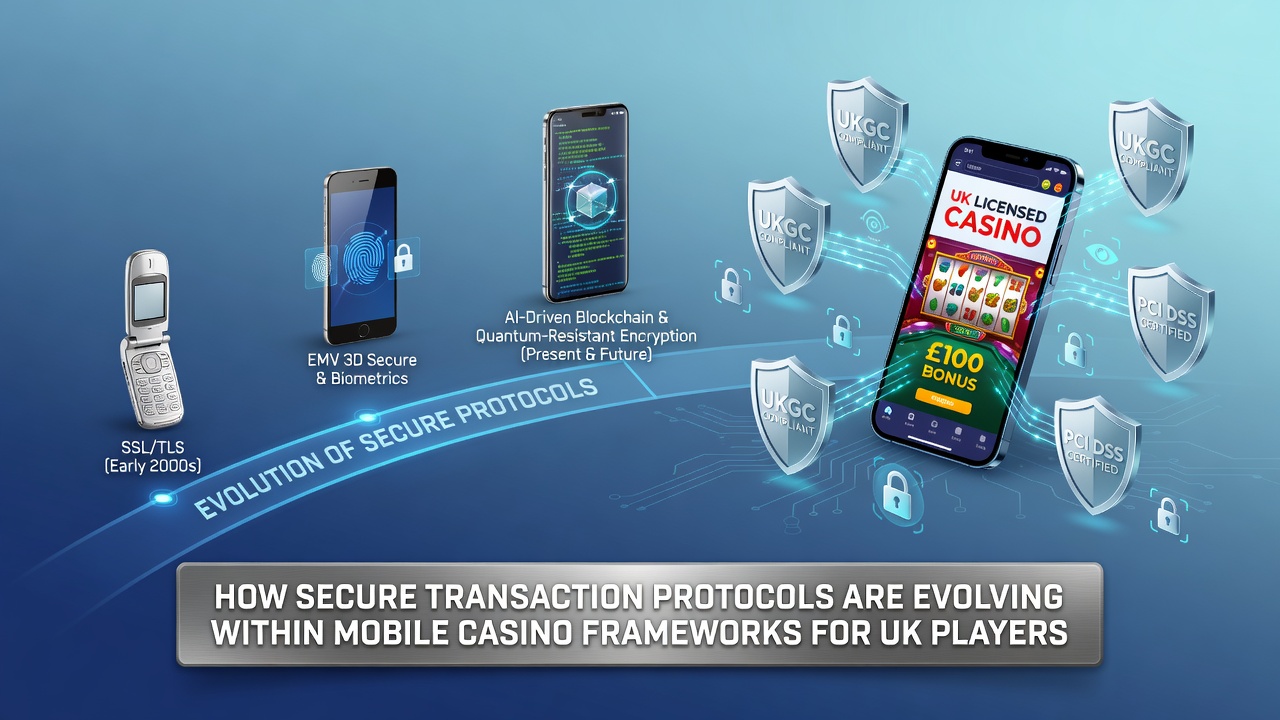
Transaction security within mobile casino platforms has shifted toward layered encryption standards and tokenization methods that protect user data during transfers, and these changes have accelerated as operators adapt frameworks to meet rising demands from British players who access games via smartphones and tablets. Data from industry reports shows that mobile transactions now account for over 70 percent of activity in regulated environments, which has prompted developers to integrate protocols that combine traditional safeguards with newer biometric verifications and real-time monitoring tools.
Current Standards in Mobile Payment Security
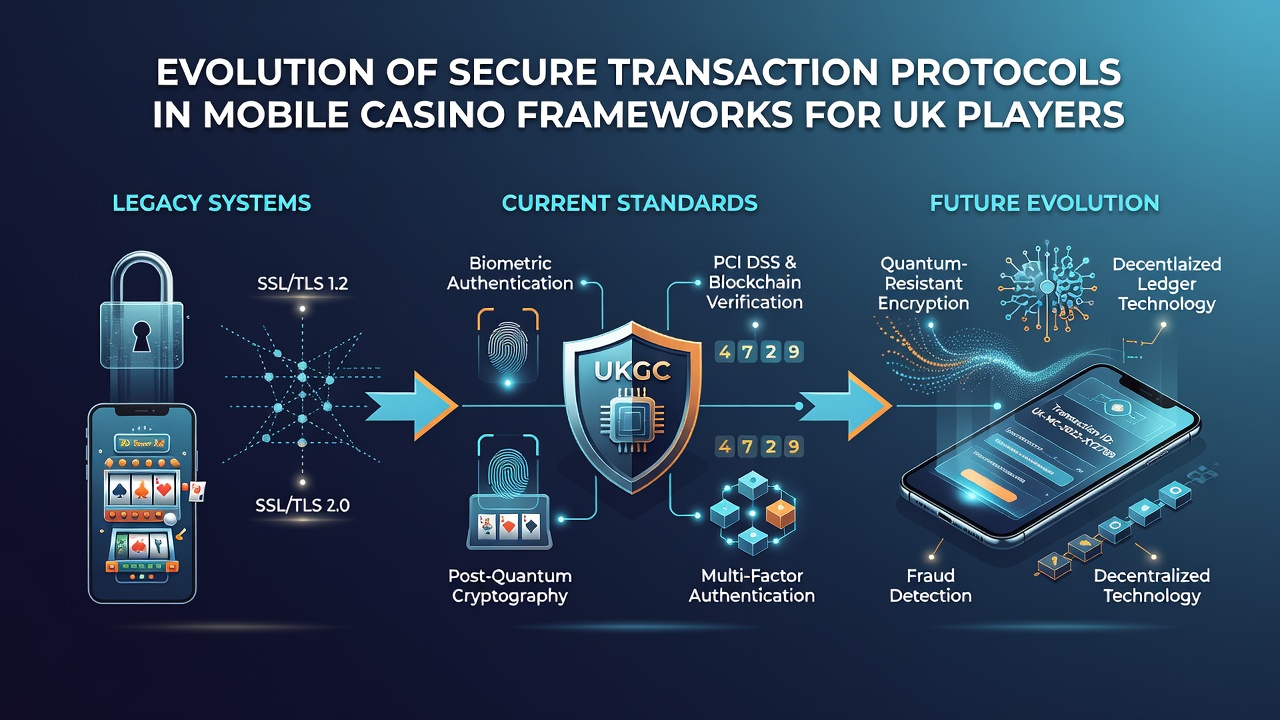
Protocols such as TLS 1.3 now form the baseline for data transmission in most mobile casino applications, while tokenization replaces sensitive card details with unique identifiers that reduce exposure during each session. Observers note that these measures have become standard because they limit the impact of potential breaches, and experts from the PCI Security Standards Council have documented how tokenization cuts fraud rates in electronic payments by significant margins across multiple sectors. UK players benefit from these updates since mobile frameworks can enforce device-specific checks that verify identity before any funds move, and this approach integrates with app stores that already require certain security certifications.
Biometric and Multi-Factor Evolutions
Biometric authentication has entered mobile casino transaction flows through fingerprint and facial recognition features that replace or supplement PIN entries, and research from academic institutions indicates these methods improve verification speed without sacrificing accuracy. One study from a Canadian university examined transaction logs and found that combining biometrics with device location data lowered unauthorized access attempts by 45 percent in simulated environments. Operators in the UK market have adopted these tools because they align with broader trends in financial apps, where users expect seamless yet protected experiences during deposits and withdrawals.
Integration of Real-Time Monitoring and AI Tools
Real-time monitoring systems now analyze transaction patterns as they occur, which allows frameworks to flag unusual activity before completion, and this development has gained traction since October 2026 when several providers rolled out updated software versions that incorporate machine learning models trained on global payment datasets. Those who have reviewed the implementations report that such tools can distinguish between typical play sessions and potential anomalies within milliseconds, while maintaining compliance with data protection rules that apply across European operations. And the reality is that these systems work alongside established methods like 3D Secure 2.0, which adds an extra verification layer during high-value transfers without requiring constant user input.
Blockchain and Decentralized Elements
Some mobile casino frameworks have begun testing blockchain-based ledgers for recording transactions, and this creates immutable audit trails that regulators and operators can reference when disputes arise. Figures from an Australian gaming association reveal that early adopters saw a 30 percent reduction in reconciliation times compared to traditional databases, because each entry carries cryptographic proof of its validity. British players encounter these options mainly in pilot programs that focus on faster payouts, yet the underlying security remains tied to the same encryption standards that govern standard transfers. What's interesting is how these decentralized approaches complement rather than replace existing protocols, since they add transparency while relying on the same token systems for user privacy.
Regional Comparisons and Broader Trends
Comparisons with frameworks used in other regions highlight how UK mobile setups emphasize compatibility with contactless payments and e-wallets that already incorporate advanced security layers. Data released by the Nevada Gaming Control Board shows similar protocol upgrades occurring in US markets, where mobile adoption rates mirror those in Britain and drive parallel investments in encryption enhancements. Researchers have observed that cross-border payment providers often align their standards to facilitate smoother international transactions, which benefits players who move between different regulatory zones. This alignment happens because shared protocols reduce friction during currency conversions and verification steps that once caused delays.
Conclusion
Transaction protocols continue to evolve through incremental upgrades that prioritize both speed and protection for mobile casino users in the UK, and the combination of tokenization, biometrics, and real-time analysis creates a more resilient environment overall. Evidence from multiple sources indicates these developments respond directly to growing transaction volumes, while maintaining compatibility with established financial security practices that extend beyond gaming. As frameworks incorporate new elements like blockchain elements where appropriate, the focus remains on verifiable, efficient processes that support player confidence in digital transfers.