Licensing Tiers Shape Payment Solutions for Mobile Live Dealer Tables
Written by Jordan Lorenz · Aug 17, 2026
Licensing Tiers Shape Payment Solutions for Mobile Live Dealer Tables
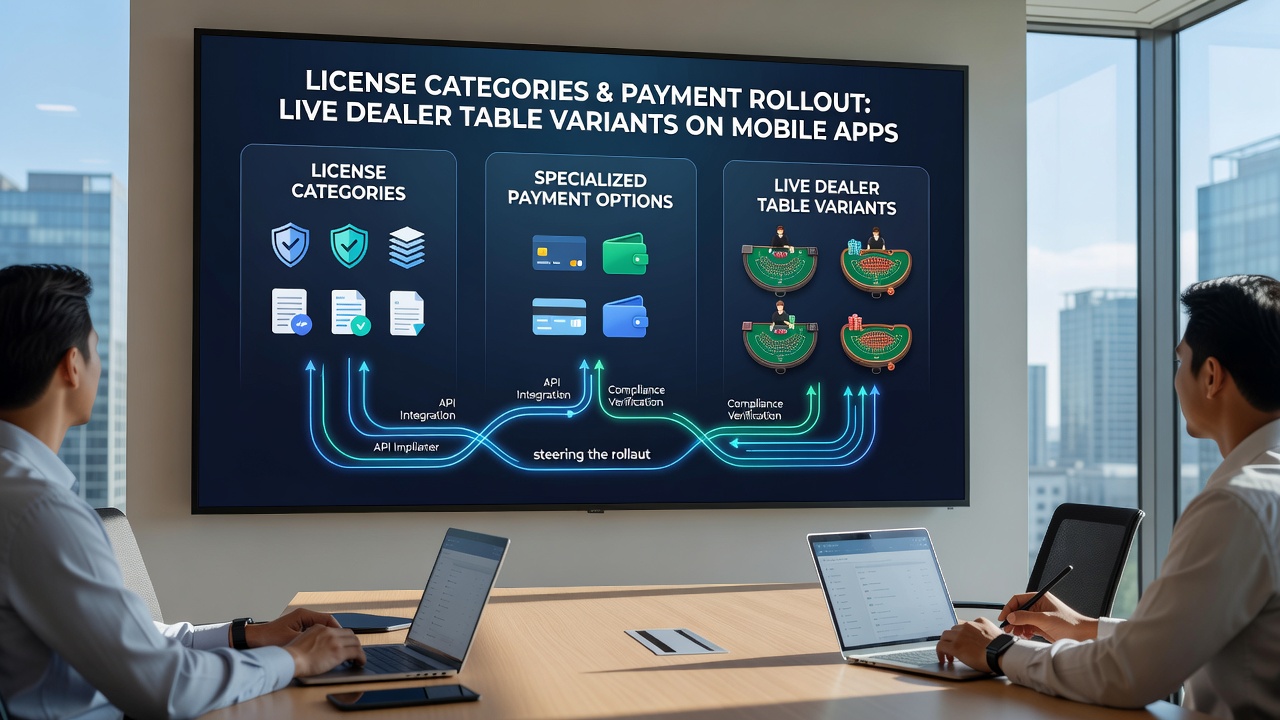
State regulatory frameworks across multiple jurisdictions determine which payment methods operators can integrate into mobile platforms for live dealer table games, and these distinctions have grown sharper as mobile traffic accounts for an increasing share of overall play. Different license categories carry specific technical, financial, and compliance requirements that directly influence rollout timelines for specialized options such as instant bank transfers, digital wallets, and region-specific processors tailored to variants including blackjack, roulette, and baccarat.
Classification Systems and Their Reach
Regulatory bodies in the United States categorize licenses according to operational scope, with full casino licenses permitting broader product ranges while limited or interactive permits restrict certain features until additional approvals are secured. Data from the New Jersey Division of Gaming Enforcement shows that operators holding multi-state interactive permits completed mobile payment integrations for live dealer tables an average of four months faster than those operating under single-state restricted licenses during the first half of 2026.
Similar tiered structures appear in other markets, where provisional licenses require phased compliance demonstrations before specialized payment rails receive clearance. Those structures often mandate separate security audits for each payment partner, which extends testing cycles for table game variants that process higher average bet volumes than slot products.
Technical Requirements Tied to License Levels
Higher-tier licenses typically demand real-time transaction monitoring systems capable of handling simultaneous live dealer sessions across multiple table variants, whereas entry-level permits may limit operators to batch processing or fewer concurrent payment channels. This distinction affects how quickly new methods, such as those supporting instant deposits directly from mobile banking apps, reach players engaged in live roulette or baccarat sessions.
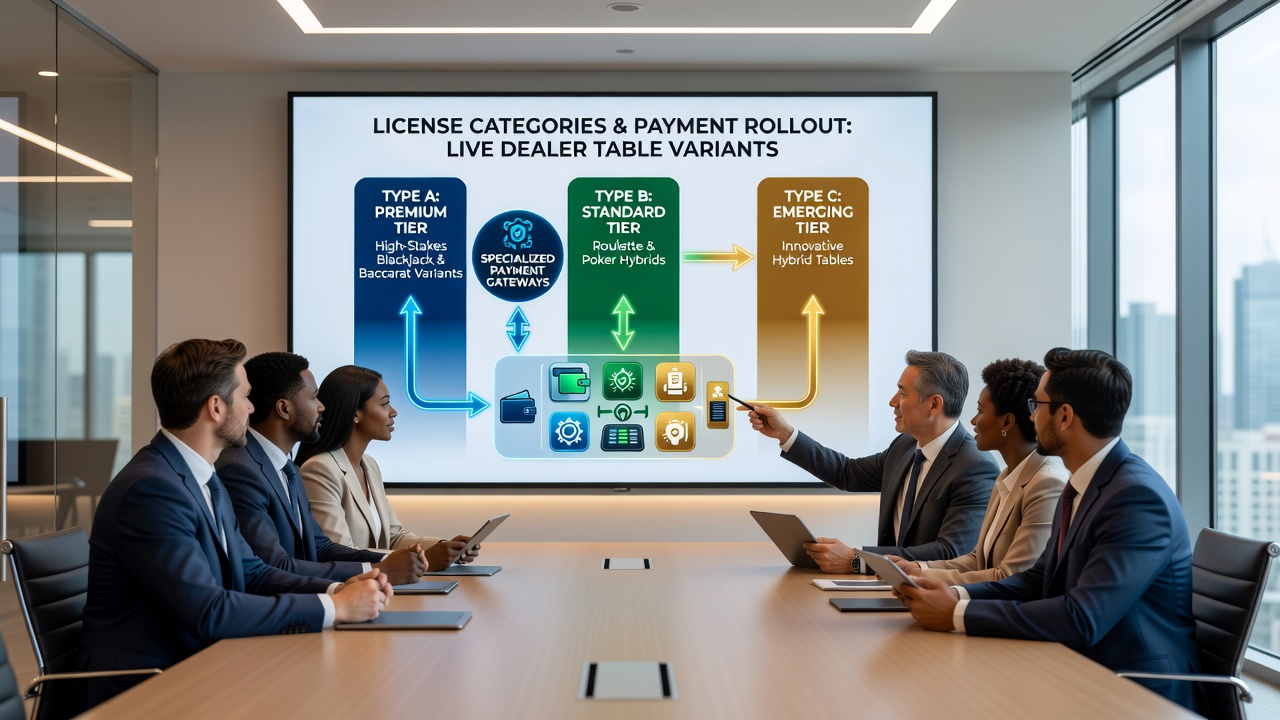
Operators report that license conditions in several North American states now include explicit language requiring payment processors to maintain segregated player funds accounts verified through quarterly attestations. Such provisions steer developers toward established e-wallet providers already approved under comparable frameworks in other jurisdictions, accelerating deployment while reducing custom integration work.
Regional Examples and Timeline Patterns
In Pennsylvania, Category 4 licenses issued to online operators include provisions that tie payment option approvals to demonstrated responsible gambling controls embedded within the transaction flow. One operator that launched live dealer blackjack on mobile in early 2026 received clearance for an additional instant bank transfer method within eight weeks after submitting updated risk models tied to its higher license tier. Meanwhile, operators under temporary permits in the same state continued using only card-based options during teh same period.
Australian state regulators apply analogous distinctions through their interactive wagering licenses, where premium categories permit operators to offer specialized payment solutions linked to live dealer tables on condition that transaction data feeds directly into centralized harm minimization databases. Figures released by the Australian Communications and Media Authority indicate that premium license holders rolled out two additional payment types for mobile baccarat and roulette variants between January and August 2026.
Impact on Specific Table Variants
Live dealer blackjack tables generate higher transaction frequency than many other casino products, prompting regulators to impose stricter payment processor vetting under certain license categories. This results in staggered availability, where operators with advanced licenses introduce digital wallet support for blackjack first, then extend the same rails to roulette once performance benchmarks are met. Baccarat tables, which often feature higher betting limits, encounter additional scrutiny under mid-tier licenses, delaying specialized payout options until operators demonstrate adequate liquidity buffers.
Those patterns create observable differences in player experience across apps, with users in markets governed by comprehensive license categories gaining access to more seamless deposit and withdrawal flows for live table play months ahead of counterparts in jurisdictions with narrower permit structures.
Conclusion
License category distinctions continue to function as primary gatekeepers for the introduction of specialized payment options supporting live dealer table variants on mobile apps. Regulatory data from multiple regions confirms that operators holding broader or higher-tier authorizations consistently achieve faster integration timelines, while those under more limited permits navigate extended review processes. These structural differences shape both the pace and sequence in which payment innovations reach players engaged in mobile live dealer blackjack, roulette, adn baccarat.