Biometric Scanning Systems Cutting Registration Times at Britain's Regulated Online Gaming Operators
Written by Jordan Schmitz · Aug 5, 2026
Biometric Scanning Systems Cutting Registration Times at Britain's Regulated Online Gaming Operators
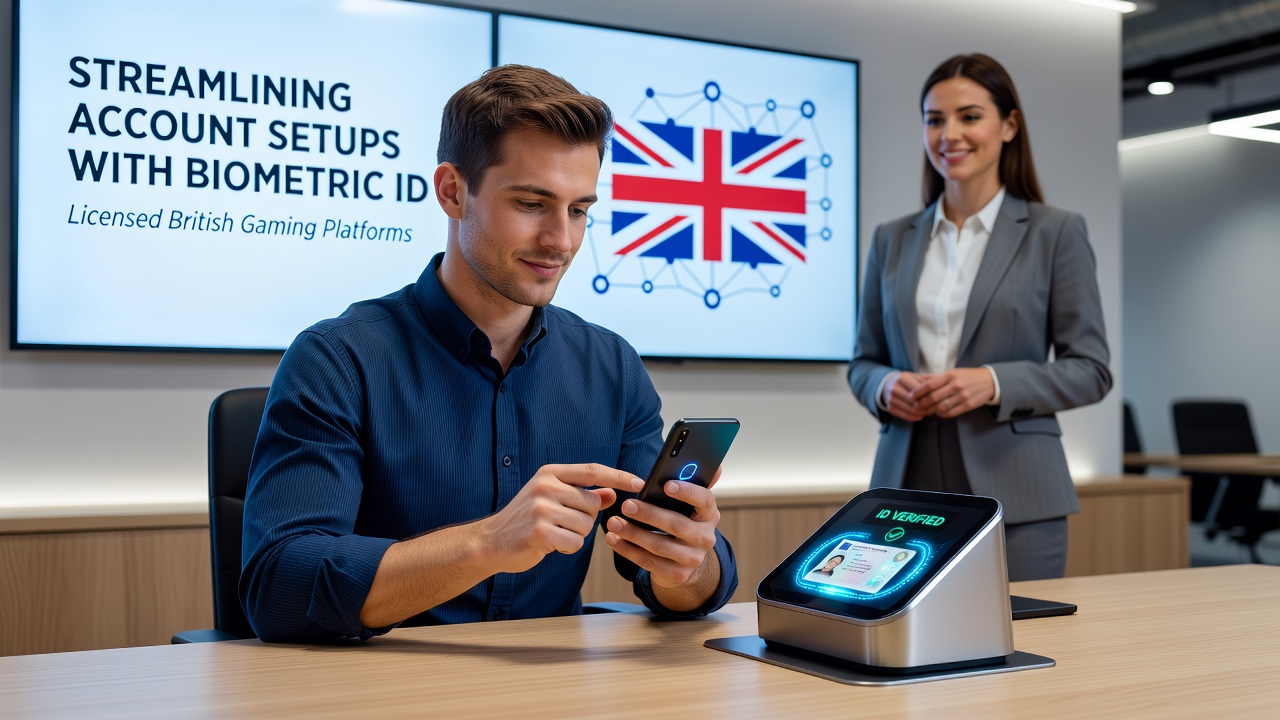
Biometric ID checks now form a core part of account creation at many licensed British gaming platforms, where facial recognition, fingerprint matching, and voice analysis replace lengthy document uploads and manual reviews. These systems cross-reference live captures against government-issued records in seconds rather than days, allowing operators to meet age and identity requirements while reducing friction for new users. Data from industry reports shows average setup times dropping from 48 hours in 2023 to under 10 minutes on platforms that adopted the technology by mid-2025.
Core Technologies Driving Faster Onboarding
Operators integrate multiple biometric layers during signup, starting with a smartphone camera that captures a short video of the user's face while prompting simple movements to confirm liveness. The software then compares this footage against photo records held by passport or driving licence databases, flagging mismatches for human review only when confidence scores fall below preset thresholds. Fingerprint options appear on devices equipped with sensors, adding a second factor that links the account directly to the physical person without requiring separate proof-of-address steps in many cases. Voice biometrics, though less common, record a spoken phrase during registration and store the unique vocal pattern for future verifications, which proves useful when users switch devices or travel abroad.
Regulatory Alignment Without Extra Delays
Licensed platforms must verify users before allowing deposits or play, and biometric tools satisfy these rules through automated compliance checks that log every step with timestamps and audit trails. European data protection standards require explicit consent for biometric data storage, so operators present clear opt-in screens and delete records after a set retention period unless the user maintains an active account. Reports from the Biometric Institute indicate that properly configured systems reduce false rejection rates to below 2 percent, minimizing customer support tickets while still blocking underage or duplicate registrations. In August 2026 several operators updated their platforms to include real-time cross-checks with international watchlists, yet the entire process still completes within the same short window because the biometric match happens first and database queries run in parallel.
Impact on User Experience and Platform Operations
Players who complete biometric registration report fewer interruptions when moving between deposit methods or claiming bonuses, since the initial identity layer remains tied to the account rather than requiring repeated uploads. One operator that introduced facial scanning in early 2025 recorded a 40 percent rise in completed registrations within the first quarter, according to internal figures shared with trade publications. Support teams handle fewer verification queries, freeing staff to focus on game-related issues or responsible gambling interventions. Smaller platforms benefit as well, outsourcing the biometric service to specialist providers that maintain the necessary hardware and software updates, which spreads compliance costs across multiple clients.
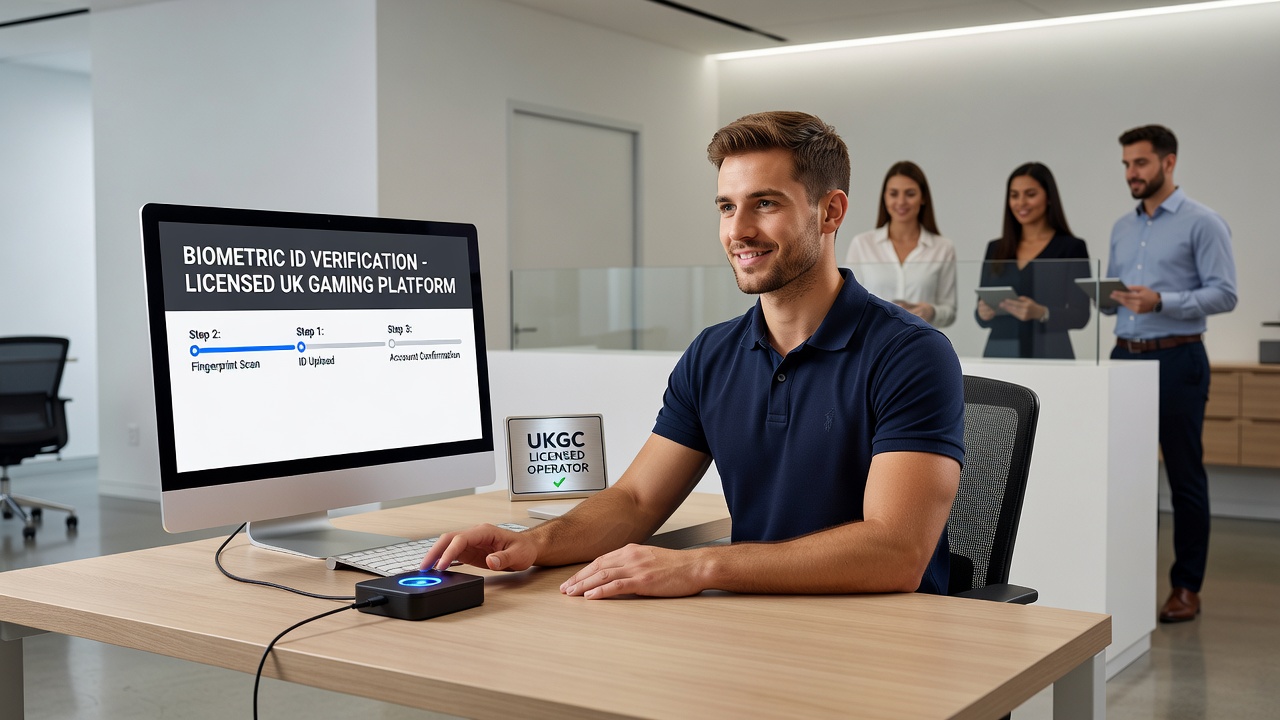
Take the example of a mid-sized operator that switched from manual document review to a hybrid biometric system combining face and fingerprint checks. Registration volumes increased steadily while the average time from click to first deposit fell from 36 hours to 7 minutes, allowing the company to reallocate compliance staff toward monitoring patterns of play rather than processing paperwork. Observers note similar patterns across sites that adopted comparable solutions, with peak signup periods during evenings and weekends now processed without backlogs.
Security Measures and Data Handling Practices
Biometric data travels through encrypted channels and undergoes conversion into mathematical templates before storage, so even if a breach occurs the original images remain protected. Providers follow standards set by organisations such as the National Institute of Standards and Technology, which publishes testing protocols for biometric accuracy across different demographics and lighting conditions. Platforms retain templates only as long as the account stays active, then purge them in line with data protection rules, while transaction histories and game logs continue under separate retention schedules. Independent audits verify these deletion processes at regular intervals, giving regulators and users confidence that personal identifiers do not linger indefinitely.
Future Developments and Broader Adoption
Research from academic institutions in Canada and Australia suggests that combining biometrics with behavioural analytics could further tighten security without adding steps for legitimate users. Early trials show promise for detecting account sharing or unusual device changes through continuous low-level monitoring that runs in the background after initial setup. British operators watch these developments closely, weighing the cost of upgrades against the benefit of even smoother user flows. As more devices ship with advanced sensors, the range of available biometric options continues to expand, yet the core goal remains consistent: verify identity quickly while satisfying licensing conditions that protect both players and the wider market.
Conclusion
Biometric ID checks have become a standard feature on licensed British gaming platforms because they deliver verified accounts in minutes instead of hours or days. The technology aligns with regulatory demands, improves completion rates, and reduces operational overhead while maintaining strong data protection practices. As adoption widens through 2026 and beyond, the focus stays on refining accuracy and expanding compatible methods without compromising the speed that now defines the registration experience.